The size on your tyre ends in a number and a letter - like 91V. They're easy to overlook, but they tell you how much weight the tyre can carry and how fast it's rated for, and getting them wrong can be unsafe.
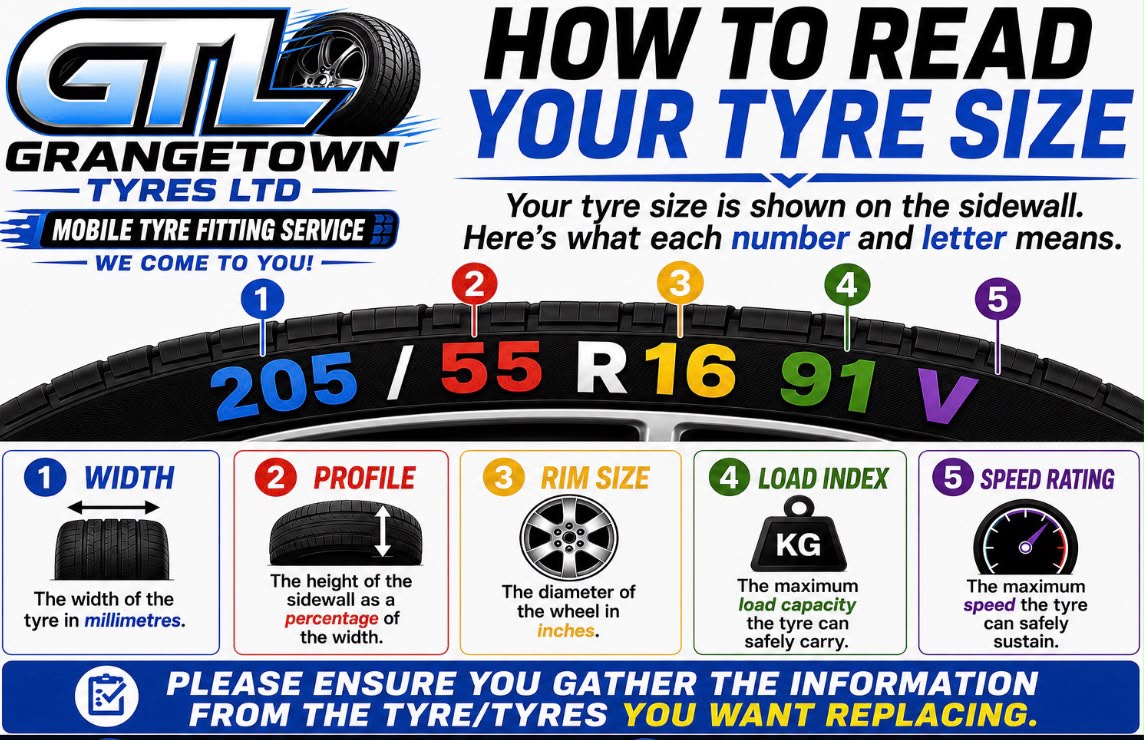
They sit right at the end of your tyre size on the sidewall - for example the "91V" in 205/55 R16 91V. The figures your car needs are listed on the placard in the driver's door shut and in the handbook. (For a full breakdown of the whole size code, see our tyre size explained guide.)
The load index is a code for the maximum weight each tyre can safely carry at full pressure. A higher number means a stronger tyre - which is why vans, 4x4s and heavier electric cars need a higher load index than a small hatchback.
The letter is the maximum speed the tyre is built to sustain. You don't drive at these speeds, but the rating reflects the tyre's construction and heat resistance, so your car is designed around it.
You can safely fit a higher speed rating than your car specifies, but never a lower one - it can be unsafe and may invalidate your insurance. For the load index, never go below the manufacturer's figure. The one common exception is winter tyres, which are sometimes allowed a lower speed rating (with a dashboard sticker as a reminder) - ask us if you're unsure.
“You don't need to memorise the tables - just tell us your reg and we'll fit exactly what your car's designed for. But it's worth knowing that little letter and number matter as much as the size, especially on vans and EVs carrying more weight.”
A letter showing the maximum speed the tyre is designed for - for example V is 149 mph (240 km/h). Always fit at least the rating your car specifies.
A number showing the maximum weight each tyre can carry - for example 91 is 615 kg. Heavier vehicles need a higher load index.
Yes - fitting a higher speed rating than specified is fine. Fitting a lower one can be unsafe and may affect your insurance.
No - never go below the load index your car maker specifies, as the tyre may not safely carry the weight.
At the end of the tyre size on the sidewall (e.g. 91V), and on the placard in the driver's door shut or the handbook.
Call now for a fast, no-obligation quote - or drop your details in and we'll come back to you.
07772 078 648Real jobs, callouts and behind-the-scenes from the GTL van. Subscribe on YouTube →
Your tyre size is printed on the sidewall of the tyre - a string like 205/55 R16 91V. Here's what each number and letter means.
Please take the size from the exact tyre(s) you want replacing - front and rear sizes can differ.