
A puncture is a pain in the neck - and the wallet. But before you pay for a whole new tyre, it's worth knowing when a puncture can be safely repaired instead.
Done properly, yes. A professional puncture repair carried out to the British Standard (BS AU 159) is a safe, cost-effective alternative to replacing the tyre. The repair is done from the inside using a combined plug-and-patch specifically designed for the job - not a quick external plug.
A puncture can only be repaired if it sits within the minor repair area and is no more than 6mm across. Anything larger, or outside that zone, means the tyre must be replaced.
The minor repair area is the central three-quarters of the tread. A puncture within this band can usually be repaired. The outer edges - the shoulders and sidewall - are the major repair area.
A puncture in the shoulder or sidewall (the major repair area) cannot be safely repaired. The sidewall flexes constantly as you drive, so a repair there can't be trusted - the tyre must be replaced.
Before any repair, we inspect the tyre inside and out. If it isn't safe and road-legal after repair, we won't patch it up - we'll be straight with you and recommend a replacement.
“We'll always try to repair before we sell you a new tyre. If it's a small nail in the middle of the tread and the tyre's sound, a proper internal repair is safe and a fraction of the cost. But we won't repair something that isn't safe, no matter how much cheaper it is for the customer.”
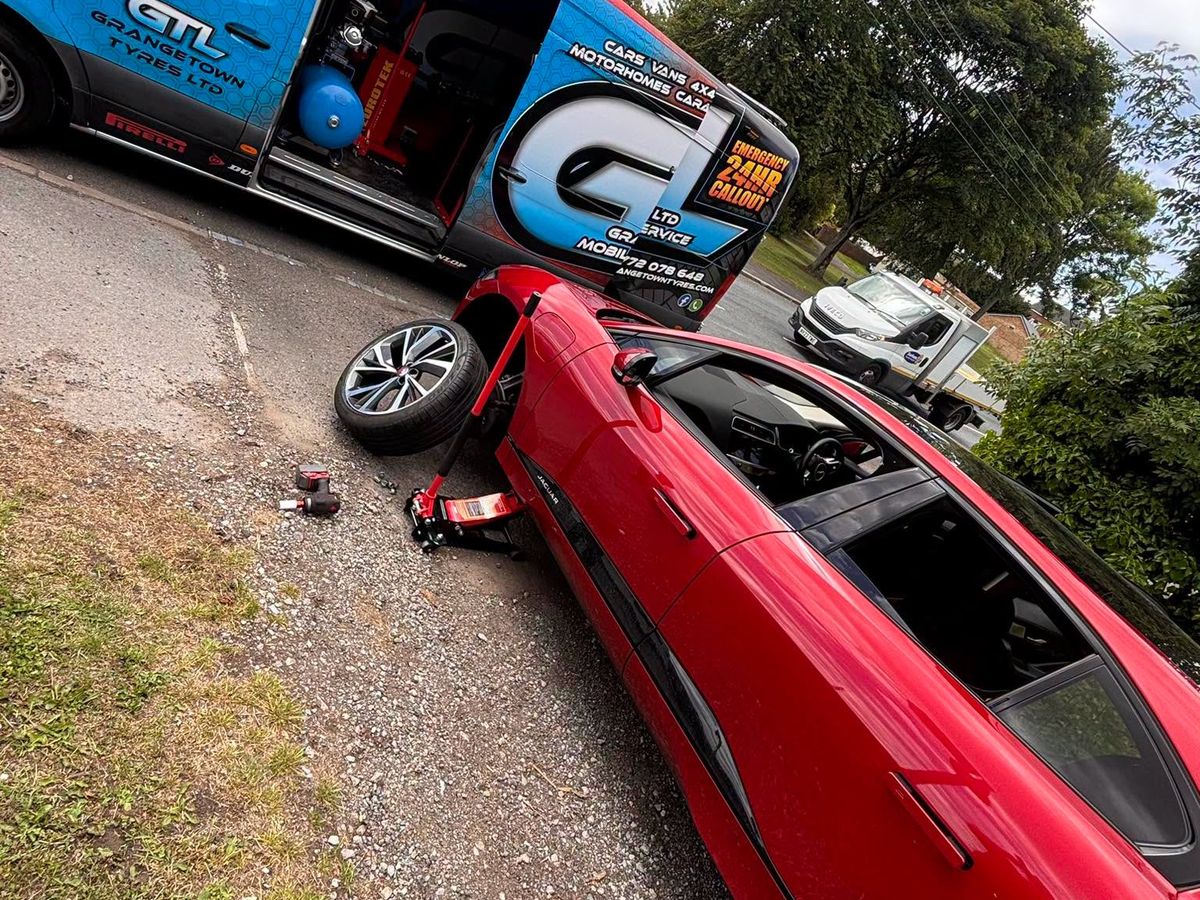
Yes, when carried out to the British Standard (BS AU 159). The puncture must be in the central three-quarters of the tread, no larger than 6mm, and the tyre must otherwise be sound.
Generally no. A run-flat that has been driven on while flat should be replaced rather than repaired.
An external plug is only a temporary get-you-home measure. A safe, permanent repair is done from the inside with a plug-patch by a professional.
A professional repair typically takes around 20-30 minutes, and we can do it at your home or work.
Call now for a fast, no-obligation quote - or drop your details in and we'll come back to you.
07772 078 648Real jobs, callouts and behind-the-scenes from the GTL van. Subscribe on YouTube →
Your tyre size is printed on the sidewall of the tyre - a string like 205/55 R16 91V. Here's what each number and letter means.
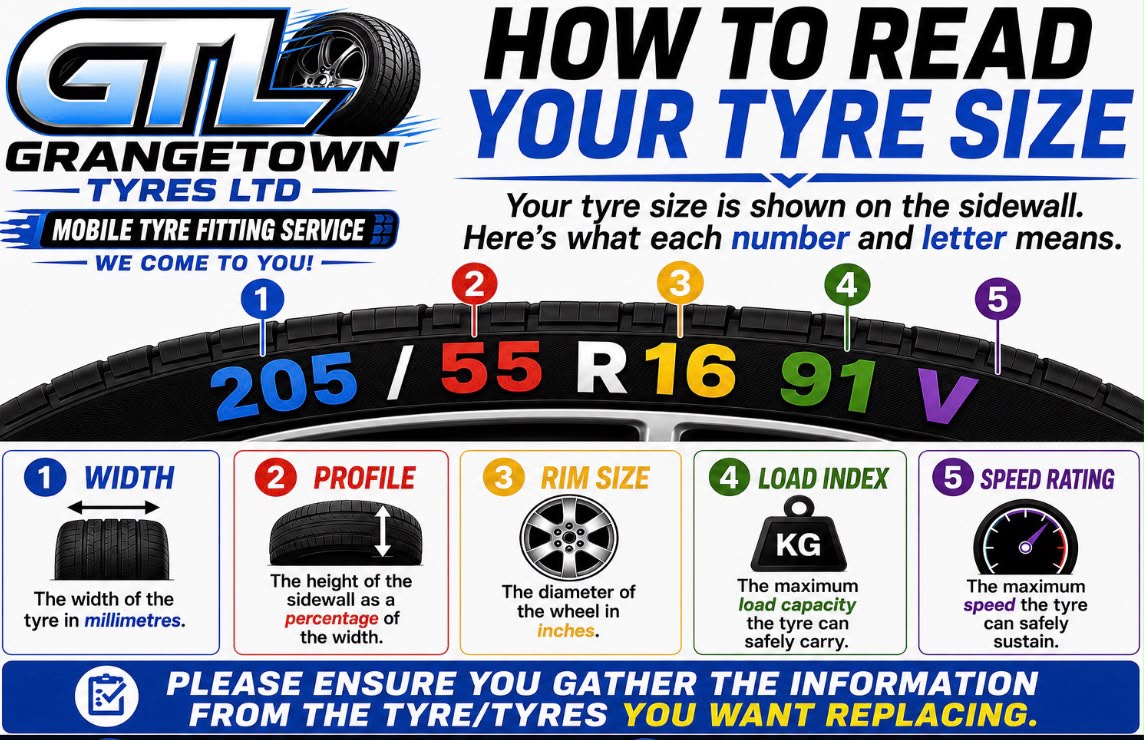
Please take the size from the exact tyre(s) you want replacing - front and rear sizes can differ.